
Can You Tattoo Over Scars? What Every Artist Needs to Know
Can you tattoo over scars? Yes, but it's not that simple. Every scar tells a story, and as artists, we're often asked to help rewrite those narratives. But before you dive in with your machine, there's crucial information that can make or break both the tattoo and your reputation.
The Real Answer: It Depends
Scar tattoos require a completely different approach than virgin skin. The texture, sensitivity, and ink retention all change. Here's what determines success:
Scar Maturity: Wait minimum 1 year, preferably 2. Fresh scars are unpredictable nightmares.
Scar Type: Some heal beautifully, others fight you every step.
Your Experience: This isn't practice territory. If you're new, refer these clients to specialists.
Understanding Different Scar Types
Keloid Scars
These are your biggest challenge. Keloid tattoo work requires extreme caution – the trauma can trigger more keloid formation. Some artists won't touch them. If you do, use minimal passes, lighter hand, quality needles like YES NEEDLE that minimize trauma.
Hypertrophic Scars
Raised but contained within wound boundaries. More workable than keloids but require patience. The dense tissue resists ink, expect multiple sessions.
Atrophic Scars
Depressed scars (acne, chickenpox). Actually easier to work with – the key is design choice that masks the texture variations.
Stretch Marks Tattoo over stretch marks
can work brilliantly, but the skin is thin and delicate. Adjust your depth accordingly.
Surgical Scars Tummy tuck scar tattoo
requests are common. These are usually clean, well-healed, and predictable. Your best starting point for scar cover up tattoo work.
The Technical Challenges
Ink Retention Issues Scar tissue is dense and doesn't hold ink like normal skin. You'll need:
· Multiple sessions (warn clients upfront)
· Slower hand speed
· Adjusted needle depth
· Premium equipment (consistent needle quality matters more here)
Pain Management Tattoo scarring areas hurt differently – sometimes more, sometimes less. Nerve damage creates unpredictable sensations. Have numbing options ready and work in shorter sessions.
Texture Complications The surface irregularity means your lines won't be perfect. This is why organic designs work better than geometric patterns for scar camouflage tattoo projects.
Design Strategies That Work
Organic Flow: Florals, water, smoke – designs that naturally curve hide irregularities
Strategic Placement: Work with the scar, not against it
Color Considerations: Scars often have different undertones; adjust your palette
Bold Over Delicate: Fine line work struggles on scar tissue
The Consultation Is Everything
Never agree to tattoo over scar work without an in-person consultation. Check for:
· Scar age and stability
· Keloid tendency
· Realistic expectations
· Medical clearance if needed
Be honest about limitations. Scar cover up tattoos don't erase scars – they transform them. The texture remains, the story changes.

Risk Management
Does tattoo removal leave scars? Sometimes, and those are even trickier to cover. Always ask about scar origin.
Watch for:
· Excessive bleeding (common in scar tissue)
· Irregular healing
· Ink migration
· Infection risk (compromised skin barrier)
Professional Tips
1.Test Patch: Do a small area first, especially with keloids
2.Document Everything: Before, during, after photos
3.Adjust Your Setup: Slower machine speed, quality needles (YES NEEDLE consistency crucial here ←←←)
4.Extended Aftercare: Scar tattoos need longer, more careful healing
5.Follow-Up Sessions: Build them into your pricing
Setting Realistic Expectations
Clients often think tattoos to cover scars will make them disappear. Your job is education:
. The scar texture remains
. Multiple sessions likely needed
. Color may heal differently
. Touch-ups more common
When to Say No
Some situations require declining:
. Scars under 1 year old
. Active keloid formation
. Unrealistic expectations
. Medical contraindications
. Beyond your skill level
Your reputation matters more than one job.

The Business Side
Pricing: Charge 20-30% more for scar work
Time: Book double your normal session length
Deposits: Higher deposits protect your time investment
Waivers: Specific scar tattoo consent forms essential
Final Thoughts
Can you tattoo over scars? Absolutely, when done right. But it requires skill, patience, and the right tools. Quality equipment makes a massive difference – consistent needle performance means predictable results on unpredictable skin.
Every scar is different, every client unique. Master this specialty, and you'll transform not just skin, but lives. Just remember: this isn't the place to learn through trial and error. Get training, use quality tools, and know your limits.
People Also Read
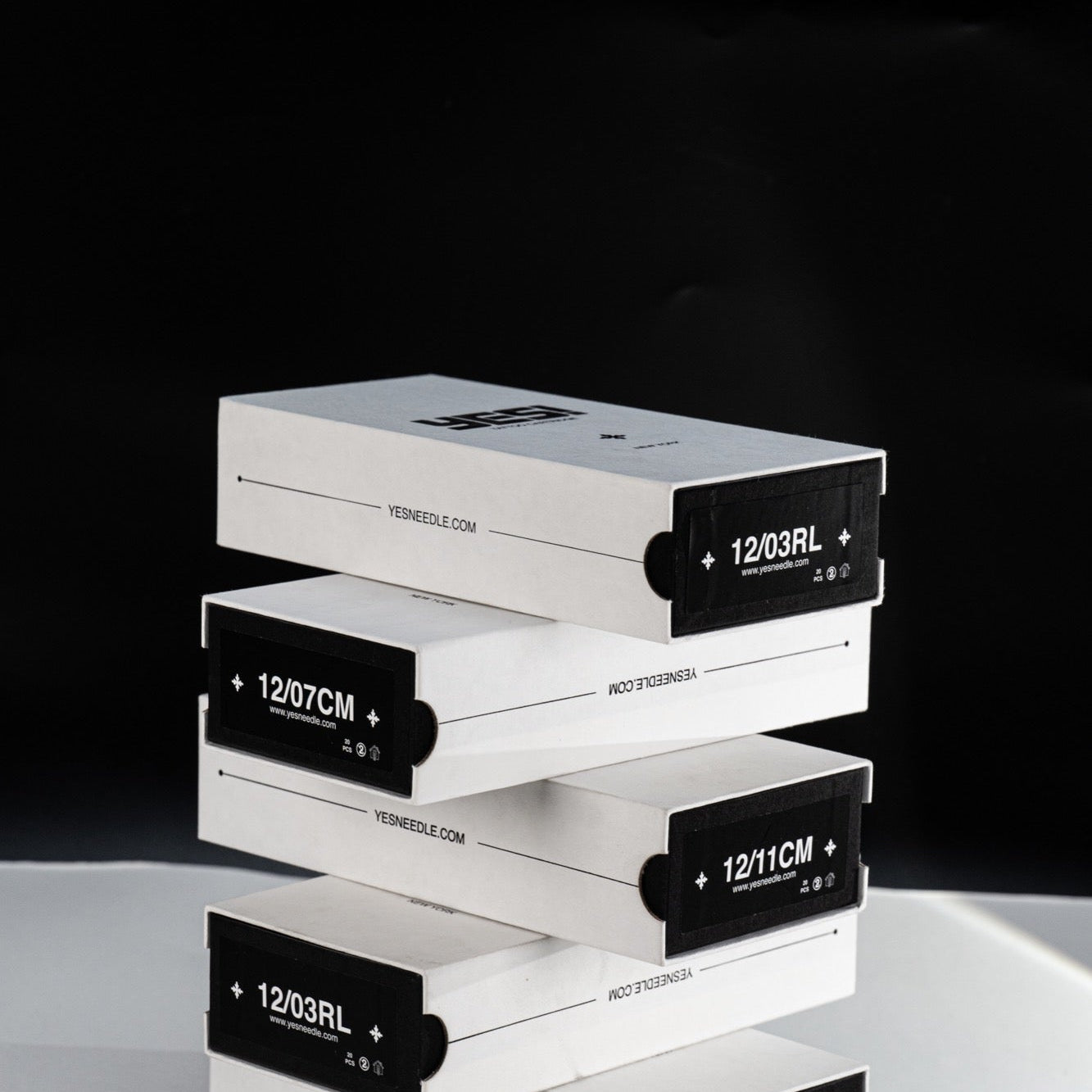
How Many Tattoo Cartridges Should You Stock? A Studio Reorder Worksheet
Work out what to reorder from your actual cartridge usage, usable stock and delivery window. Includes a simple worksheet for working studios.
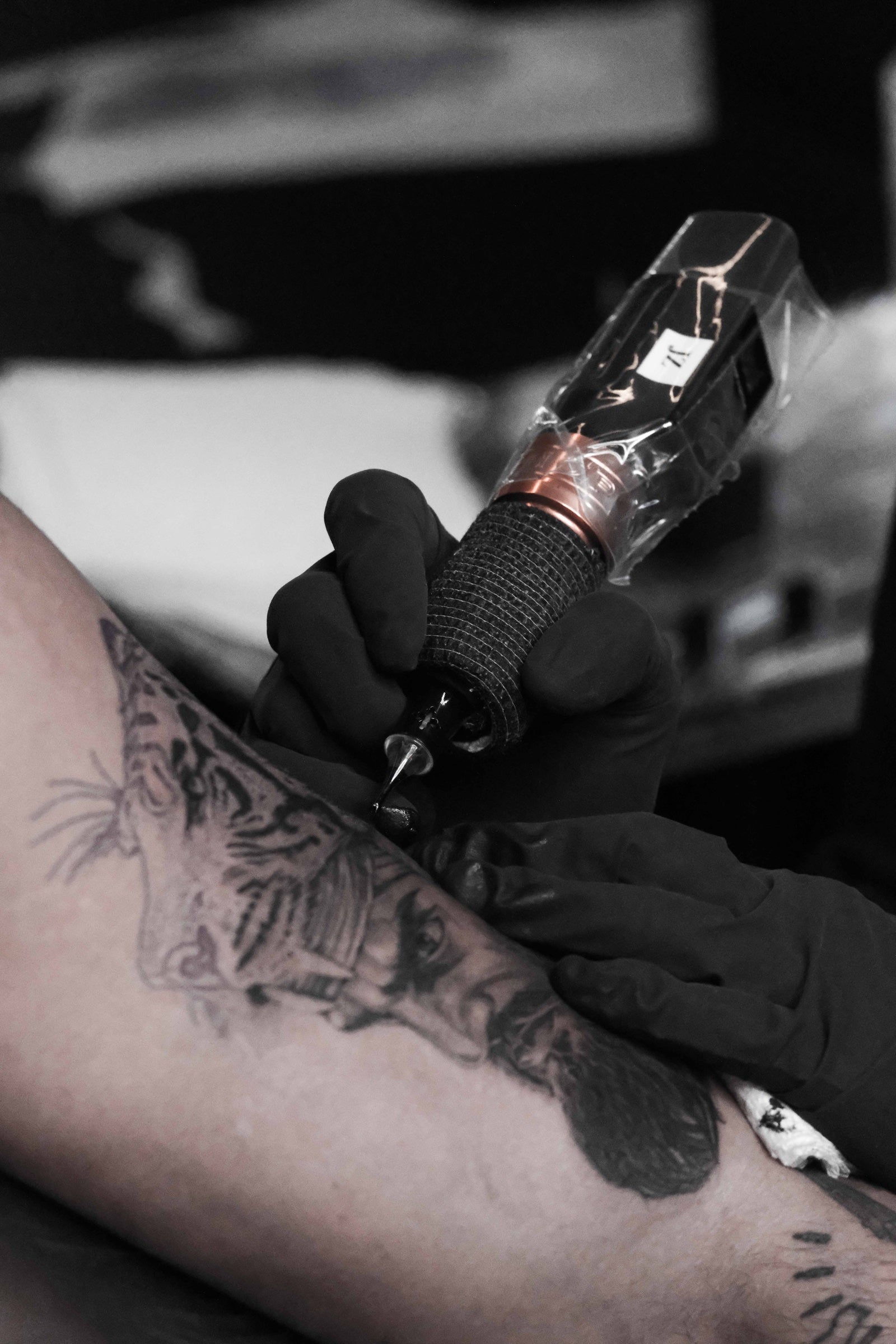
Tattoo Needles for Color Packing: Choosing for the Space You Need to Fill
Choose color-packing cartridges around open fills, narrow corners and gradients. Compare YESNeedle M1 and CM options before ordering.
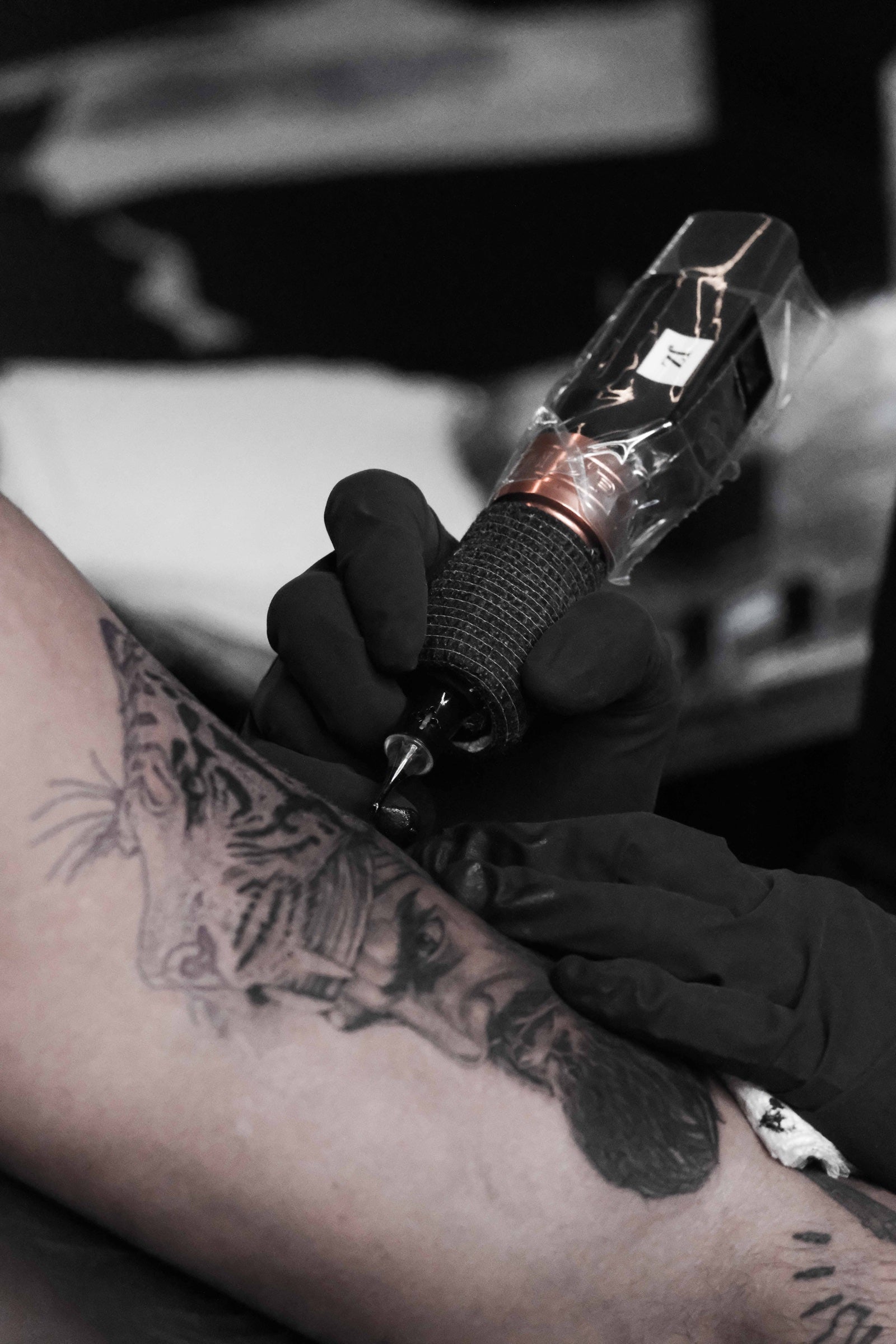
Tattoo Needles for Shading: How to Choose for Your Design
Start with the shadow in your design, then compare the grouping and count. A practical guide to narrowing down shading cartridges.
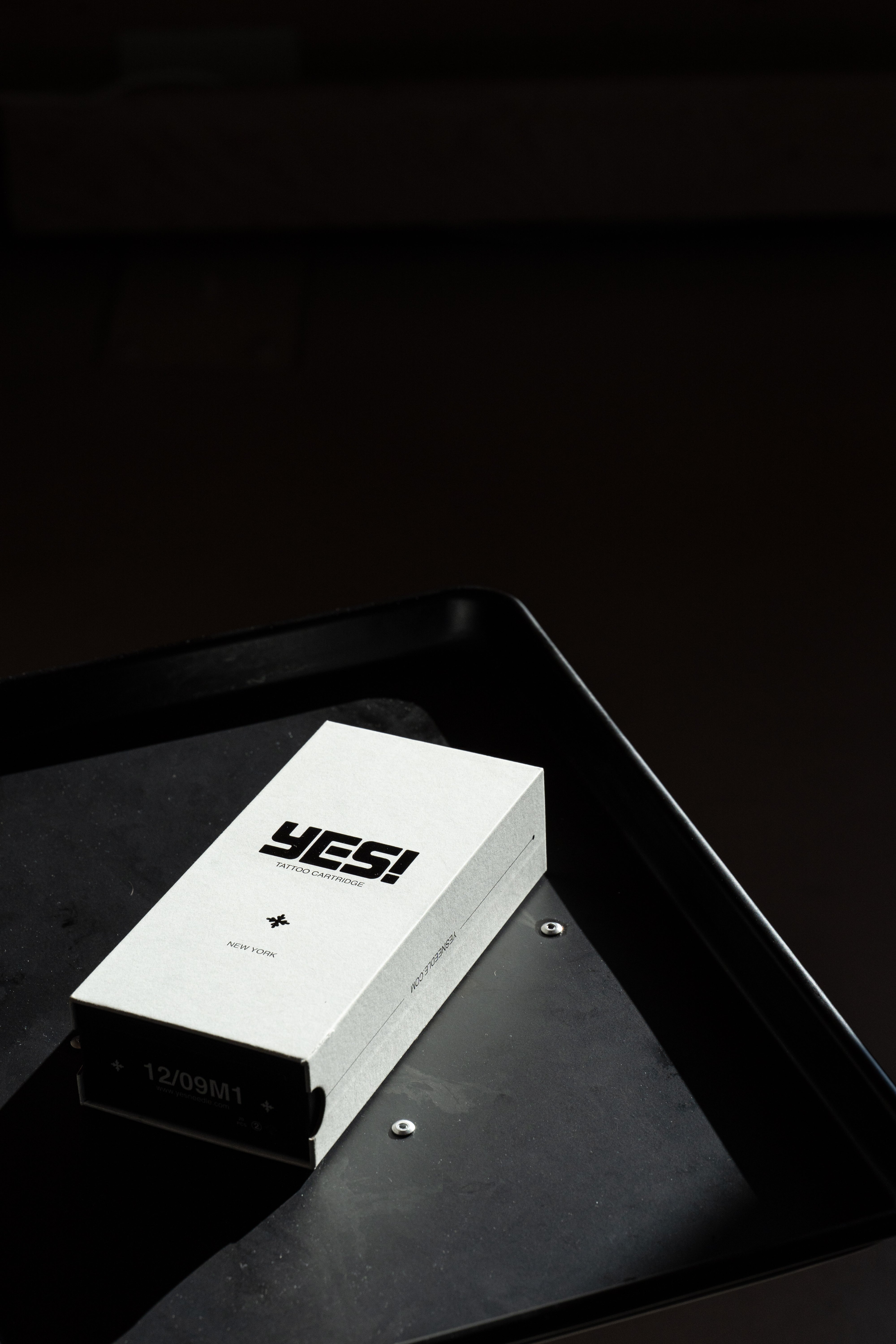
Long Taper vs. Short Taper Tattoo Needles: What Changes?
Taper describes the narrowing section of a needle. Here’s what changes—and what to check before choosing your next cartridge.