
How Much Is Tattoo Equipment? Complete Cost Guide & Equipment List for Beginners
What Do You Need to Start Tattooing? The Real Costs
Starting your tattooing journey feels overwhelming when you're researching tattoo equipment costs. Trust me, I've been there - wondering "how much is tattoo equipment really going to cost me?" and "what do I need to start tattooing without breaking the bank?"
After years of building my tattoo setup and helping countless beginners, here's everything you need to know about tattoo equipment and supplies costs, plus a complete equipment checklist to get you started professionally.
Tattoo Equipment List: Core Supplies Needed for Tattooing
Essential Tattoo Machine Kit: $150-$800
Rotary Tattoo Machines: Perfect for beginners. They're lightweight, versatile, and work for both lining and shading with just needle changes. Expect to pay $150-$400 for quality beginner machines.
Coil Tattoo Machines: More traditional, require separate machines for lining and shading. Quality coil machines range from $200-$800.
My Recommendation: Start with one quality rotary machine. Best tattoo starter kit for beginners typically includes a rotary machine, power supply, and basic accessories for around $300-$500.
Power Supplies(Coil machine or Rotary machine without battery): $80-$300
Your machine needs consistent power to work properly. Modern digital power supplies show exact voltage and offer precise control. Budget options start around $80, while professional units can reach $300.
Tattoo Needles & Supplies: $50-$200/month
Tattoo Needle Kit Essentials
Round Liners (RL): For outlines and line work
· 3RL, 5RL, 7RL, 9RL for most line work ($20-40 per box)
· 1RL for ultra-fine details
Round Shaders (RS): For shading and color packing
· 5RS, 7RS, 9RS cover most shading needs ($20-40 per box)
Magnum (RM or M1) : For larger shading or color packing.
· 5RM,7RM,9RM,11RM for larger shading needs ($20-40 per box)
Tattoo Ink and Supplies
Black Ink: Your foundation. Get quality black ink suitable for both lining and shading.
Basic Color Set: Primary colors plus key secondaries. You can mix most colors from a basic palette.
Graywash: Pre-mixed grays save time and ensure consistency.
Ink Cups: Small containers for ink during tattooing. Various sizes for different projects.
Ink Caps: Disposable cups that prevent contamination. Always use fresh caps for each client.
Safety and Hygiene Equipment
Nitrile Gloves: Powder-free, latex-free protection
Barrier Film: Covers surfaces and equipment
Dental Bibs: Protects client clothing and provides clean work surface
Disposable Razors: For skin preparation
Green Soap: Industry standard for cleaning
Surface Disinfectant: Hospital-grade cleaning solutions
Ultrasonic Cleaner: For reusable equipment
Autoclave or Chemical Sterilization: For metal tools
Sterilization Pouches: For storing sterilized equipment
Transfer and Stencil Materials
Thermal Copier Paper: For transferring designs to skin
Stencil Fluid: Helps stencils adhere properly
Carbon Paper: For hand-drawn stencils
Stencil Gel: Improves adhesion and reduces smudging
Transfer Solution: Ensures clean, clear transfers
Tattoo Setup for Beginners: Phase Approach
Phase 1: Everything You Need to Start Tattooing ($500-$800)
· One quality rotary machine with power supply
· Basic tattoo needle kit (essential RL and RS sizes)
· Black ink and primary colors
· Complete safety and sterilization supplies
· Transfer materials and stencil supplies
Phase 2: Professional Expansion ($300-$600)
· Additional needle configurations
· Extended color palette
· Backup equipment
· Specialized tools for your preferred styles

Quality vs Budget: Where to Invest Your Money
Where Quality Matters Most: Tattoo Needles: This is where equipment quality directly impacts your work. Consistent, sharp needles make the difference between professional and amateur results.
YES Needle cartridges: Engineered for reliability and performance across all tattoo styles. Quality needles eliminate variables, letting you focus on artistry. ←←←
Safety Equipment: Never compromise on sterilization and safety supplies.

Beginner Tattoo Artist Advice: Smart Investments
Don't Fall for These Mistakes:
· Buying cheap "beginner" kits that include poor quality needles
· Over-investing in advanced equipment before mastering basics
· Skipping essential safety equipment to save money
· Trying DIY tattoo guns or homemade equipment
Focus on Learning:
· Invest in quality basic tattoo techniques training
· Practice extensively on synthetic skin before human clients
· Build your art supplies for tattoo artists portfolio
· Learn proper sterilization and safety protocols
Remember:
Quality tattoo equipment and supplies are an investment in your career. Start with reliable basics, practice extensively, and upgrade thoughtfully as your skills develop. The right equipment supports your artistic journey - focus on learning fundamentals while building your professional toolkit gradually.
People Also Read
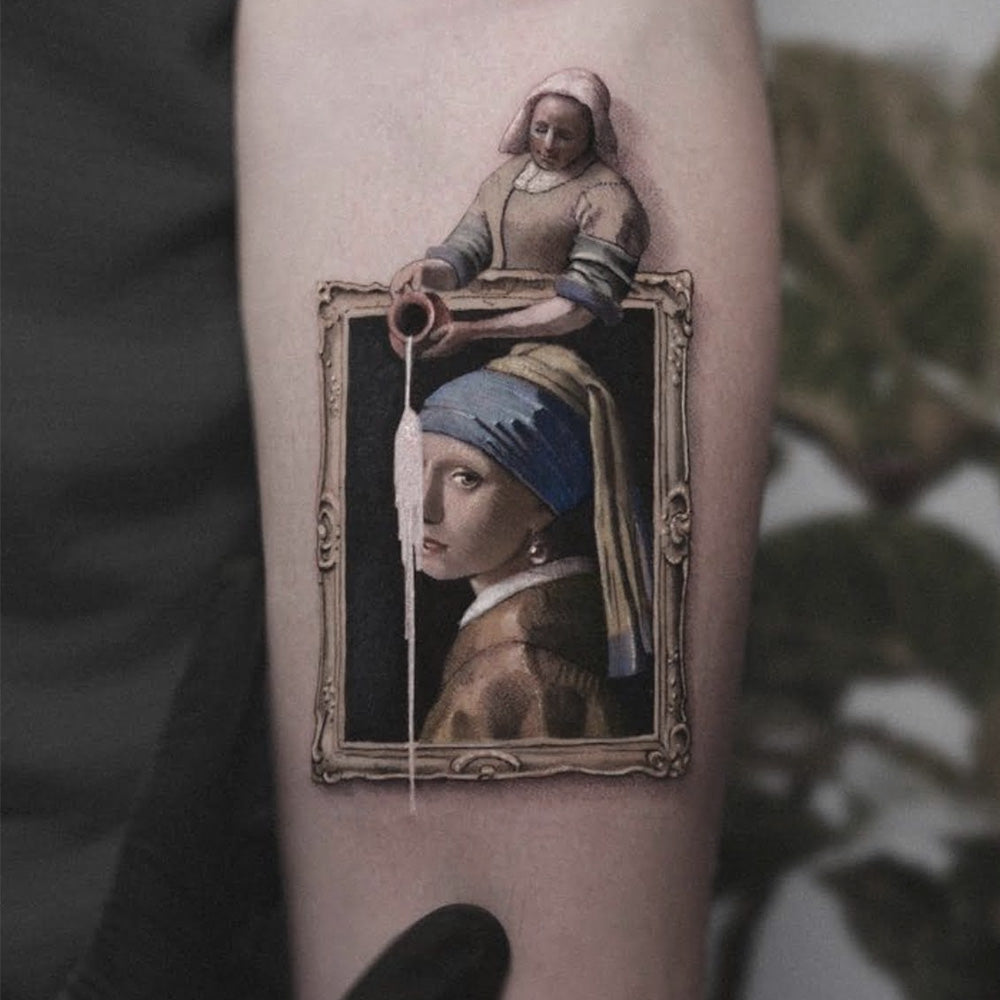
What is Micro Realism Tattoo
Micro realism tattoos are beautiful—but they don’t age like most people expect. This guide breaks down what really happens over time, what designs last, and how artists can create small tattoos that still look great years later.
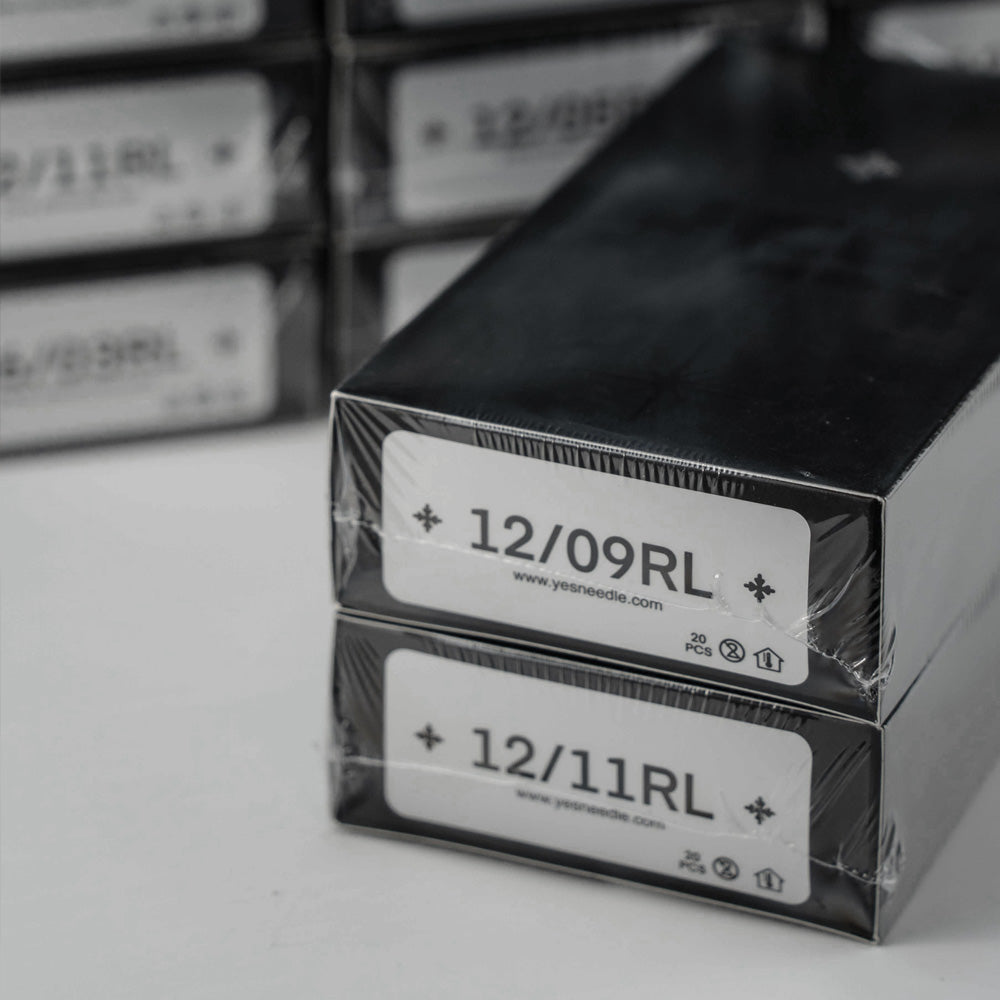
Tattoo Needles for Thick Lines
Creating bold, crisp lines is one of the hardest yet most rewarding skills in tattooing. This guide breaks down everything you need to know—from needle selection and machine setup to proper technique and common mistakes. Whether you're learning thick line work for traditional, neo-traditional, or tribal styles, you'll understand how professional needle quality directly impacts results.
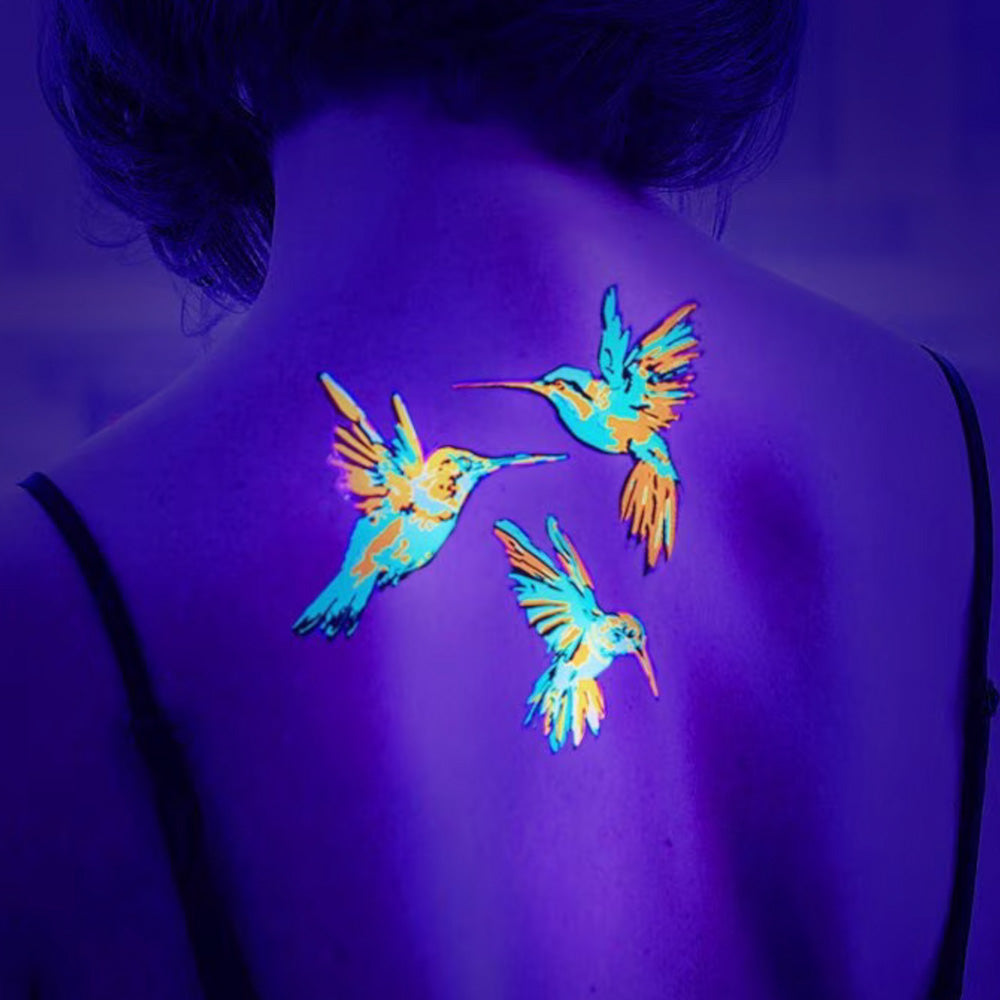
How Long Does UV Tattoo Ink Last? The Truth Every Artist Needs to Know
UV tattoos may look stunning under blacklight—but their lifespan is far shorter than most clients expect. This guide explains the real durability of UV tattoo ink, why it fades so quickly, and how professional artists can maximize longevity through correct equipment, technique, and aftercare. If you’re considering offering blacklight tattoos, read this first.
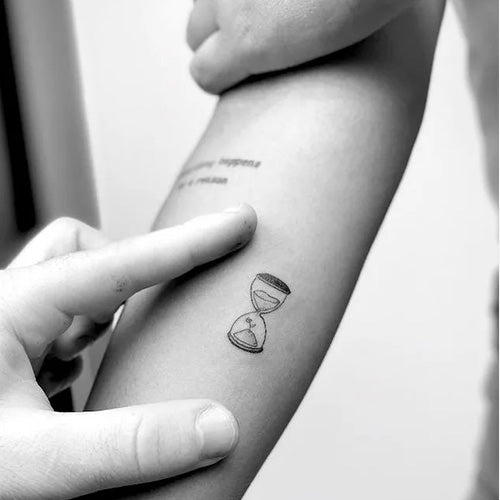
How to Tattoo Small Meaningful Designs: A Technical Guide for Artists
Small meaningful tattoos may look simple, but they demand advanced precision and emotional understanding. This complete guide shows tattoo artists how to master needle selection, perfect technique, and meaningful client consultations — ensuring every small piece carries lifelong significance.