
What is Micro Realism Tattoo?
The Honest Guide (Aging, Ideas & Real Talk)
"Will this still look good in 5 years?"
That's the question I get asked most about micro realism tattoos. And honestly? Most artists won't give you a straight answer.They'll show you fresh work that looks incredible on Instagram. They'll hype up the detail. But they won't tell you what happens after a few years.
I'm going to be honest with you. Not to scare you off—I actually love micro realism—but because you deserve to know the real deal before you commit.
What is Micro Realism Actually?

Micro realism = realistic tattoos in miniature. Usually 1-3 inches, packed with photographic detail.
People mix these up all the time, so here's the difference:
Fine Line: Simple outlines, minimal or no shading
Minimalist: Abstract, few lines, simplified
Micro Realism: Full realistic shading and depth, just tiny
Traditional Realism: Large (5+ inches), maximum detail
Why everyone's getting them: They look amazing on Instagram, they're easy to hide for work, and they're perfect if you want multiple small pieces instead of one big tattoo.But here's what you need to know about long-term results...
Why Micro Realism is Tricky (My Butterfly Story)
Here's what changed how I approach micro realism:
I was tattooing a 1.5-inch butterfly on someone's wrist. Perfect reference photo, clean stencil. Halfway through, I noticed the antenna looked fuzzy and thick instead of crisp.
My hand was steady. My technique was solid. What was wrong?
Turned out, one needle in my 3RL was sitting 0.15mm lower than the others. That's about the width of two human hairs. Barely visible to your eye.
But when you're tattooing a 3mm-wide antenna? That tiny variance made it look blurry instead of sharp.
The client noticed. I had to offer a free touch-up. Worse? That piece couldn't go in my portfolio.
That's when I learned: micro realism shows every tiny imperfection. There's no room for error.
The Aging Question: Let's Be Real

Someone on Reddit said it pretty bluntly: "Micro realism is tattooing for the Instagram generation. Looks great fresh but will look like shit 10 years later."
Let me break down what actually happens:
First 6 months: Looks amazing. Instagram-perfect.
Year 1-2: Still looks good, but fine lines start thickening slightly. Delicate shading lightens a bit.
Year 3-5: You'll notice the details aren't as sharp. Lines blur together slightly. Still recognizable, but softer.
Year 5-10: Significant changes. May need a touch-up to bring back definition.
Why This Happens
It's simple physics. Tattoo ink spreads slightly in your skin over time. In a big tattoo, this is barely noticeable. In micro work where every line is already tiny? It shows.
Add in sun exposure, skin aging, weight changes—all tattoos age, but micro realism shows it more.
What Ages Better
Designs that hold up:
✅ Simple subjects (one flower, one animal)
✅ Strong blacks vs skin tone (not 50 shades of gray)
✅ One clear focus (not multiple tiny elements)
✅ Sized at least 1.5 inches
✅ Placed on flat, stable areas
Designs that age poorly:
❌ Too much detail crammed in
❌ Multiple subtle gray tones
❌ Many tiny separate elements
❌ Under 1 inch
❌ On joints or stretchy areas
Real talk:
If you want a micro realism piece that still looks good in 5 years, you need to design for aging from day one. That means simplifying details and sizing up more than you probably want to.
Design Ideas: What Works & What Doesn't

Best Subjects
Animal Eyes: Strong focus, natural contrast. Size at 1.5+ inches.
Single Flowers: Rose, peony, sunflower. Keep petal structure clear.
Small Birds: Hummingbird, sparrow. Simplify feathers, don't show every detail.
Simple Insects: Butterfly, bee. Strong wing contrast works best.
Landscape Snippets: Mountain silhouette, forest line, wave. Overall shape matters more than tiny details.
What to Approach Carefully
Pet Portraits: Doable, but fur texture will soften. Keep it 2+ inches.
Complex Portraits: Need 2.5+ inches minimum or details merge.
Multiple Elements: Risky unless sized 3+ inches.
Extreme Texture: Looks amazing fresh, first to blur.
Best Placement for Long-Term Results
Best Spots
Forearm (outer): Flat, easy to protect from sun, ages best.
Upper arm (outer): Stable skin, less sun if covered.
Calf (outer): Flat when standing, easy to protect.
Avoid
Fingers, hands, feet: Rapid fading, constant friction.
Ribs, inner bicep: Skin stretches, details distort.
Joints (elbow, knee): Worst for detail work.
Size matters: Under 1 inch = expect aging by year 3. Sweet spot is 1.5-2.5 inches.
Why Equipment Quality Actually Matters
Remember that butterfly story? That 0.15mm needle problem taught me something expensive: in micro realism, your equipment quality shows up in every line.
In a regular tattoo, small equipment issues hide. In micro work, they're obvious.
What I Learned the Hard Way
After the butterfly disaster, I examined my budget cartridges under magnification:
● Needle alignment varied 0.1-0.3mm between cartridges
● Couldn't see ink flow problems until too late
● nconsistent membrane pressure
What it cost me:
● 2 hours free touch-up
● Lost referrals (probably $500+)
● Can't use that piece in my portfolio
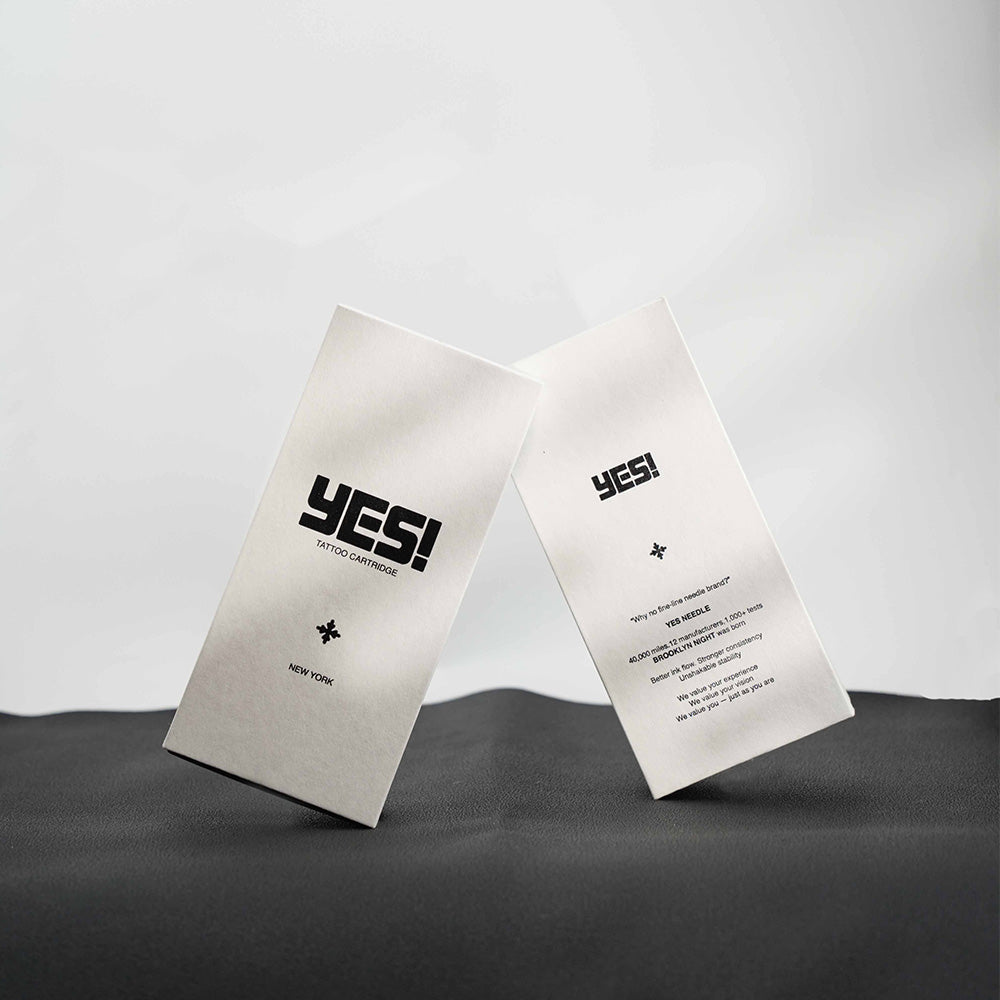
What changed: I switched to Yesneedle precision cartridges for micro work.
Why Precision Needles Matter
Micrometer-Level Alignment:
When you're tattooing a 2mm eyelash, every needle needs to sit at exactly the same height.
Budget cartridges: 0.1-0.3mm variance
Precision cartridges: <0.05mm variance
Real example: After switching, I did a hummingbird piece (1.8 inches). The beak—just 4mm long—came out perfectly crisp. With my old needles, it would've looked thick and fuzzy.
Clear Housing:Being able to see ink flow saves you. I was shading a 1-inch rose when I noticed flow decreasing through the clear housing. Changed the cartridge immediately. With opaque ones? I wouldn't have caught it until half the petal looked patchy.
Consistent Performance:Micro sessions need steady ink flow from start to finish. Cheap membranes lose pressure, causing sputtering. That shows up immediately in tiny gradients.
The Cost Reality
Budget 3RL: $0.60
Yesneedle 3RL: $1.80
Difference: $1.20
Failed micro piece: $100-200 lost time + unhappy client + can't use in portfolioMy take: After that butterfly, I realized "cheap" needles are actually the most expensive ones. For micro realism where 0.1mm ruins everything, precision equipment isn't optional.
Real Talk
Micro realism tattoos are beautiful—when done right, by the right artist, with realistic expectations.
They won't look perfect forever without some care. But with good design, smart placement, quality equipment, and proper protection? They can look great for years.
The three keys:
1.Smart design (simplified, strong contrast, appropriate size)
2.Quality execution (specialized artist, precision needles)
3.Long-term care (daily SPF, touch-ups when needed)
I'd rather do 5 micro pieces that age beautifully than 50 that look muddy in three years. That means I turn down designs that are too detailed for the size, I recommend larger than people want, and I show healed work even when it's not perfect.
Does this lose me some clients? Sure. The ones wanting Instagram perfection with zero work.Does it gain me loyal clients who come back years later still loving their tattoos? Absolutely.
Bottom line: As someone on Reddit said, "Get what makes you happy." Just make sure you know what you're getting, your artist is honest, and you're willing to do the work to keep it beautiful.When that hummingbird on your forearm still looks crisp 5 years later because you made smart choices? That's when micro realism is worth it.
People Also Read
Tattoo Needles for Thick Lines
Creating bold, crisp lines is one of the hardest yet most rewarding skills in tattooing. This guide breaks down everything you need to know—from needle selection and machine setup to proper technique and common mistakes. Whether you're learning thick line work for traditional, neo-traditional, or tribal styles, you'll understand how professional needle quality directly impacts results.
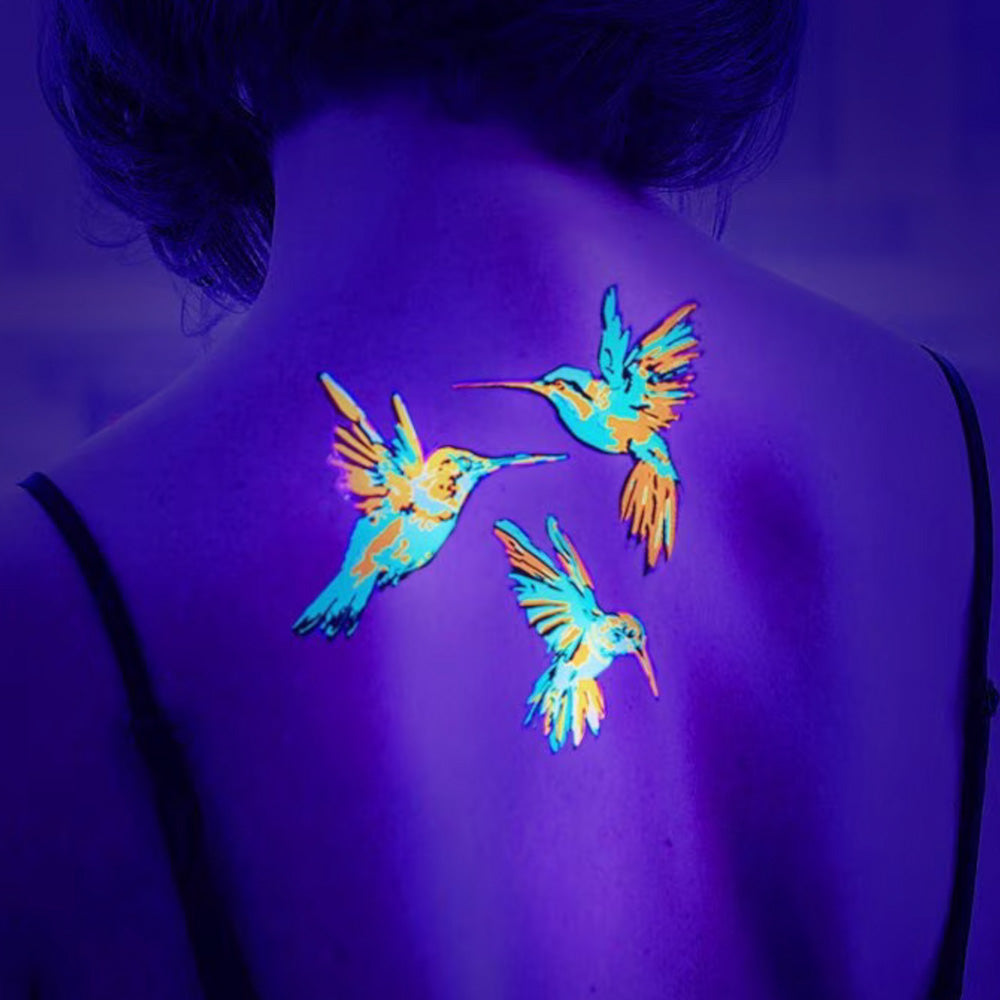
How Long Does UV Tattoo Ink Last? The Truth Every Artist Needs to Know
UV tattoos may look stunning under blacklight—but their lifespan is far shorter than most clients expect. This guide explains the real durability of UV tattoo ink, why it fades so quickly, and how professional artists can maximize longevity through correct equipment, technique, and aftercare. If you’re considering offering blacklight tattoos, read this first.
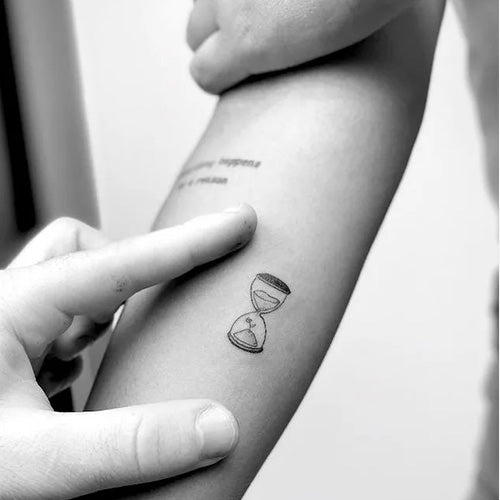
How to Tattoo Small Meaningful Designs: A Technical Guide for Artists
Small meaningful tattoos may look simple, but they demand advanced precision and emotional understanding. This complete guide shows tattoo artists how to master needle selection, perfect technique, and meaningful client consultations — ensuring every small piece carries lifelong significance.
How to Become a Tattoo Artist
Becoming a tattoo artist takes more than talent — it takes years of discipline, mentorship, and the right tools. This complete guide breaks down the real path to a professional tattoo career: from portfolio building and apprenticeships to mastering equipment and earning your license.