
Tattoo Equipment That Beginner tattoo Need to Know:Professional Setup Guide
Introduction: What You Really Need to Get Started
Starting tattooing can feel overwhelming - there's so much equipment out there, and everyone seems to have different opinions on what you "must have." The truth is, you don't need everything right away, but you do need to understand what each piece does and why it matters.
This guide breaks down all the equipment in plain language, so you can make smart choices without breaking the bank or getting confused by fancy marketing terms

The Big Three:Your Core Tattoo Equipment
Tattoo Machine
What it does:
Makes the needle go up and down to put ink in skin Types you'll see:
Rotary machines (quieter, easier to learn)
Coil machines (traditional, more powerful)
What beginners should know:
Start with a rotary machine - they're more forgiving and easier to control

Tattoo Needles
What they do: Actually put the ink where it needs to go Main types:
Round Liners (RL) - for drawing lines and outlines
Round
Shaders (RS) - for filling in areas and shading
Beginner tip: Cartridge needles are way easier than traditional tubes - less setup, more consistent results

Tattoo Ink
What you need: Good black ink is essential, colors come later Quality matters:
Cheap ink looks faded and heals poorly Storage: Keep it clean and sealed - contaminated ink ruins everything

All the Other Stuff You Actually Need
Safety First (Non-Negotiable)
Disposable Gloves: Get nitrile ones - they don't tear as easily
Barrier Film: Covers everything so you don't contaminate your workspace
Green Soap: Industry standard for cleaning skin and equipment
Cleaning Supplies: Hospital-grade disinfectants, not household cleaners

Setup and Application Tools
Ink Caps: Those little cups that hold your ink during tattooing
Tattoo needle cup holder:Keep soaking the tattoo needle, don't let the ink dry, and place it in an orderly manner.
Grips: Make your machine comfortable to hold for hours Stencil Paper: Transfers your design onto skin
Practice Skins: Fake skin for learning - way better than practicing on yourself

Workspace Essentials
Plastic Cups: For clean water to rinse needles
Paper Towels: You'll go through tons of these
Dental Bibs: Protects client's clothes and gives you a clean surface
Wash Bottle: Controlled water spray for cleaning
Tape: Holds stencils in place
Razor: Clean shave = better stencil application
Vaseline: Helps with stencil transfer and skin protection
Sanitizer: For hands and quick surface cleaning Tattoo
Trolley station: Wheels make everything easier to move around
Ink Bottles: Larger amounts for when you're doing more work
Tongue Depressors: Mix colors, spread ointment
Scissors: Always need these for something
Grip Tape: Makes your machine less slippery
How to Choose Equipment Without Getting Ripped Off
Start Smart, Not Expensive
Reality check: You don't need the most expensive everything right away What matters first: Safety equipment and one good machine with basic supplies Build gradually: Add specialized tools as you figure out what you actually need
Quality vs. Price
Worth spending on: Machine, needles, and safety equipment Save money on: Cups, towels, tape - basic consumables Red flags: If it seems too cheap, it probably is
Brand Research
Ask around: Other artists' experiences matter more than online reviews Safety certifications: Make sure everything meets health standards Reputation counts: Stick with companies that have been around
Building Your Kit Over Time
Phase 1: Core equipment and safety supplies
Phase 2: Comfort and efficiency upgrades
Phase 3: Specialized tools for your preferred styles
Storage tips: Keep everything clean and organized from day one - good habits start early
What Success Really Looks Like
Here's the thing about tattoo equipment: having the best gear doesn't automatically make you a great artist, but having the wrong gear can definitely hold you back. Focus on understanding each tool's purpose rather than collecting everything at once.
Good equipment should feel like an extension of your hands, not something you're fighting against. When you find tools that work well for you, stick with them and master them completely.
The goal isn't to have the most
Start with quality basics, practice consistently, and upgrade thoughtfully as your skills develop. Your equipment should grow with your abilities, supporting your artistic journey rather than limiting it. expensive setup in the room - it's to have reliable tools that let you focus on creating great art without worrying about equipment failure or safety issues.
YES Needle: Crafted for the Demands of Fine Line Tattooing

Traditional needles weren’t built with fine line artistry in mind. YES Needle was created to meet the precision and reliability required by today’s most detailed tattoo styles.
What Sets YES Needle Apart
Ultra-Precise Engineering – Every needle undergoes strict micro-level inspection to ensure accuracy and stability.
Tailored for Fine Line Work – Custom-designed features enhance ink flow and control for delicate detailing.
Tested by Industry Experts – Refined through extensive use by experienced fine line tattoo artists on various skin types.
Reliable Session After Session – With minimized inconsistencies, artists can count on steady, high-performance results.
Remember:
every professional artist started exactly where you are now, with the same questions and concerns. The difference is they didn't let equipment choices overwhelm them - they focused on learning, practicing, and gradually building their toolkit as
People Also Read

How to Become a Tattoo Artist
Becoming a tattoo artist takes more than talent — it takes years of discipline, mentorship, and the right tools. This complete guide breaks down the real path to a professional tattoo career: from portfolio building and apprenticeships to mastering equipment and earning your license.
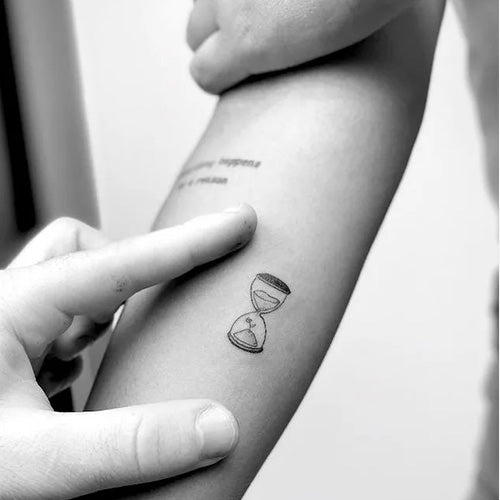
How to Tattoo Small Meaningful Designs: A Technical Guide for Artists
Small meaningful tattoos may look simple, but they demand advanced precision and emotional understanding. This complete guide shows tattoo artists how to master needle selection, perfect technique, and meaningful client consultations — ensuring every small piece carries lifelong significance.
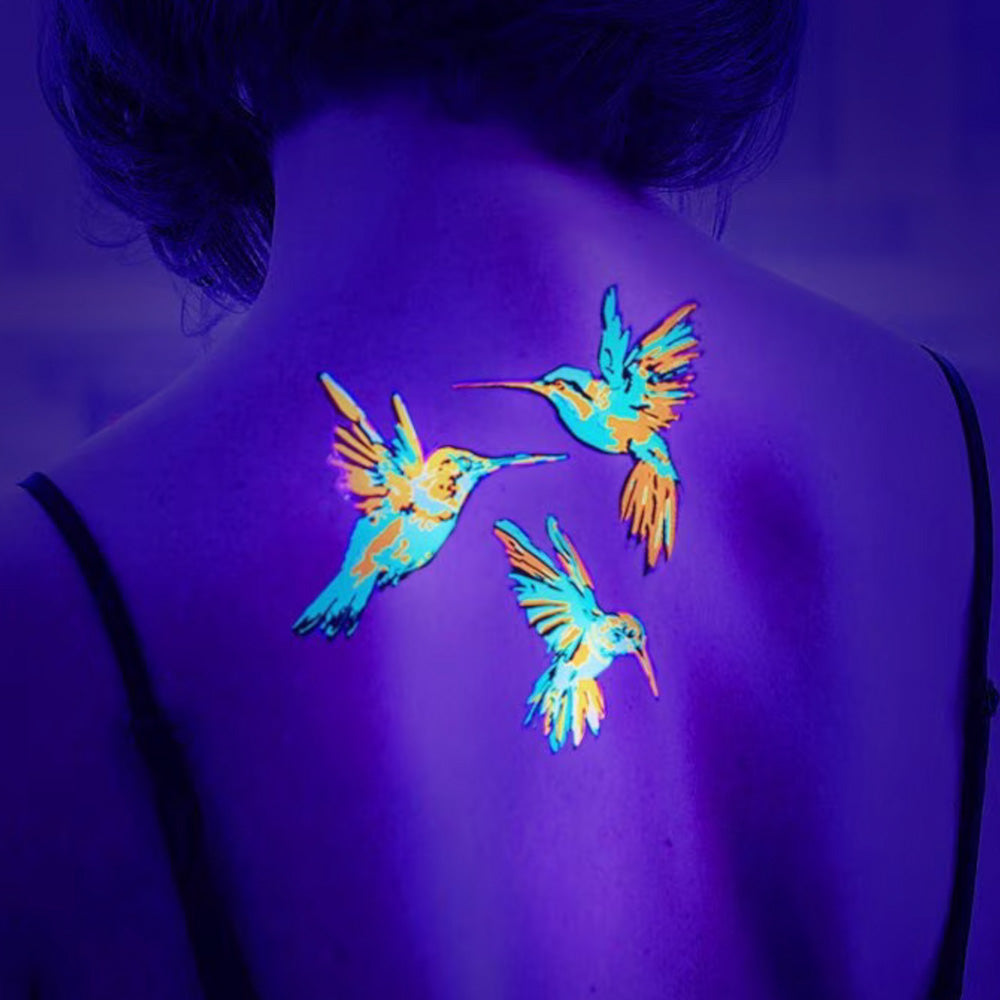
How Long Does UV Tattoo Ink Last? The Truth Every Artist Needs to Know
UV tattoos may look stunning under blacklight—but their lifespan is far shorter than most clients expect. This guide explains the real durability of UV tattoo ink, why it fades so quickly, and how professional artists can maximize longevity through correct equipment, technique, and aftercare. If you’re considering offering blacklight tattoos, read this first.
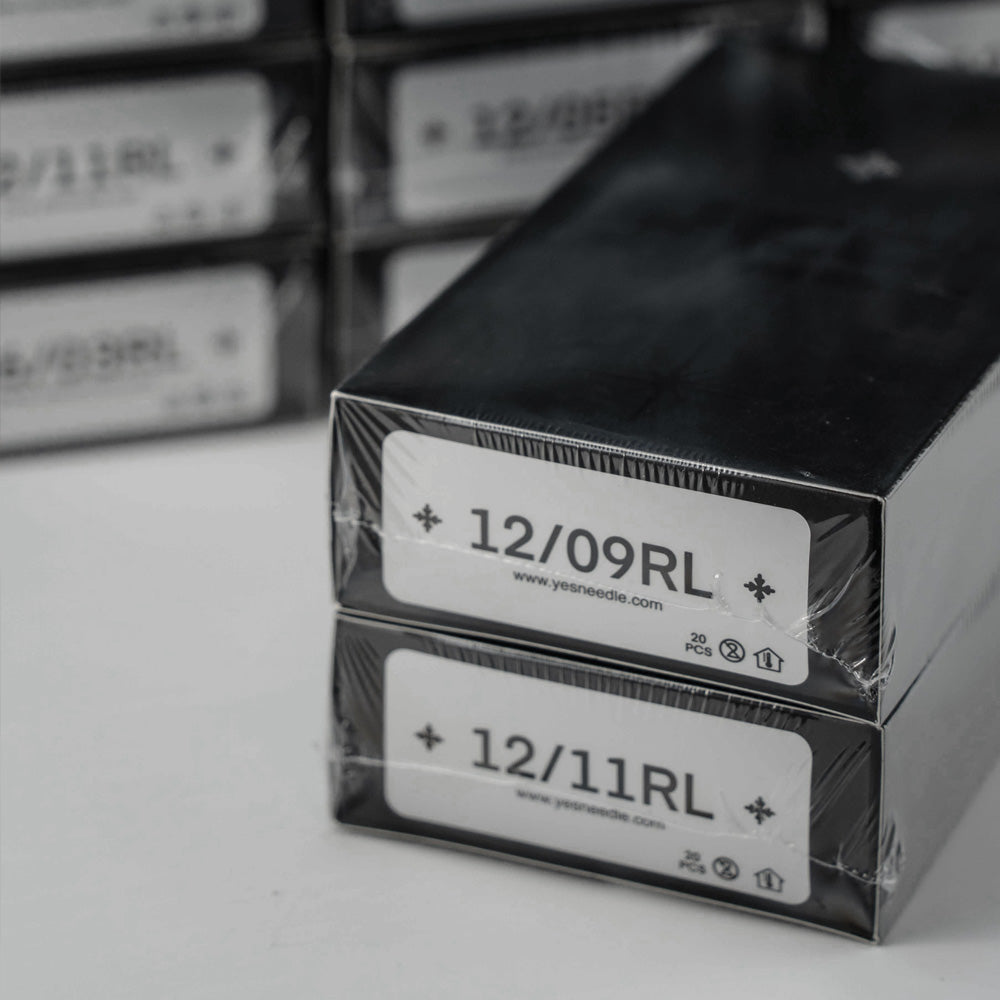
Tattoo Needles for Thick Lines
Creating bold, crisp lines is one of the hardest yet most rewarding skills in tattooing. This guide breaks down everything you need to know—from needle selection and machine setup to proper technique and common mistakes. Whether you're learning thick line work for traditional, neo-traditional, or tribal styles, you'll understand how professional needle quality directly impacts results.