
How to Tattoo Small Meaningful Designs: A Technical Guide for Artists
Here's something I've noticed after years behind the machine: clients who come in for "meaningful" tattoos are your most loyal repeat customers—if you get it right the first time.
But these pieces are emotionally loaded. That tiny symbol on someone's wrist represents their late grandmother. That minimalist mountain? The peak they climbed after beating cancer. One technical mistake, and you're not just ruining a tattoo—you're damaging someone's permanent memorial.
I learned this when a client returned six months after I tattooed a small infinity symbol with her daughter's birthdate. The lines had bled together, making numbers hard to read. She cried—not from anger, but disappointment. That tattoo was supposed to be perfect forever.
Since then, I've specialized in small meaningful work. This guide shares what I've learned about delivering emotionally significant pieces with the technical precision they deserve.
Why These Tattoos Are Technically Harder
Let me be blunt: tattooing a small meaningful design is harder than a large decorative piece, yet clients expect them to be "quick and easy."
A 2-inch rose filler? You have room for interpretation. A 1-inch lotus symbolizing someone's spiritual awakening? Every petal must be crisp.
There's no hiding behind size or shading. Clients expect these tattoos to look perfect for decades—they'll see that wrist tattoo 50 times daily for life.
The pressure is real: According to industry research, small meaningful tattoos have 2.5× higher referral rates than large decorative work, but also 3× higher regret rates when poorly executed. Get them right, your reputation grows exponentially. Get them wrong, the damage is severe.

Understanding What "Meaningful" Actually Means
Before diving into technique, understand why someone wants a tattoo affects how you execute it. Most meaningful tattoos fall into five categories:
Memorial/Loss (30%) - In memory of loved ones, pet tributes, infant loss symbols. Expectation: Absolute perfection.
Personal Milestones (25%) - Sobriety dates, cancer survival, recovery journeys. Expectation: Permanent strength reminder.
Spiritual/Philosophical (20%) - Religious symbols, meditation markers, life philosophies. Expectation: Deep connection with specific symbolism.
Relationship Bonds (15%) - Parent-child symbols, sibling matching tattoos. Expectation: Forever honor.
Identity Affirmation (10%) - Cultural heritage, LGBTQ+ pride, personal values. Expectation: Authentic representation.
Why this matters technically: Each category has different failure points. Memorial tattoos can't afford ANY blowouts—clients obsess over imperfections. Milestone symbols need to age well. Spiritual designs must be symbolically accurate. Relationship tattoos need consistency between people.

Three Critical Technical Challenges (And Solutions)
Challenge 1: Detail Retention Over Time
The Problem: A 1-inch dreamcatcher with intricate webbing looks beautiful fresh. In 5 years? A blur.
Why: Ink naturally spreads 10-20% over time. Lines closer than 1mm eventually merge. Small details in high-movement areas (hands, fingers) blur faster.
The Solution:
· Bold, not thin: Even "delicate" designs need 0.3mm+ line weight minimum
· Strategic simplification: Reduce web lines from 12 to 6—still reads as dreamcatcher, ages better
· Test on practice skin first: See how your line work holds after intentional stretching
Challenge 2: Symbolic Accuracy
The Problem: Client wants Japanese kanji for "strength." You tattoo it beautifully. Later they discover it means "strong smell." (Yes, this happens.)
The Solution:
· Always verify symbols with multiple sources
· For cultural symbols, ask clients for references from native speakers/practitioners
· Keep a reference library of common meaningful symbols
· When in doubt: "Let me research this overnight" beats guessing
Challenge 3: Placement and Proportion
The Problem: A tiny compass perfect on a wrist loses all detail on curved rib cage skin.
The Solution by Body Area:
· Wrist/ankle: Great for small detailed work (minimal movement)
· Fingers/hands: Only bold, simple designs survive
· Ribs/stomach: Skin stretches—add 15% to minimum line weight
· Behind ear: Ultra-delicate possible, but warn about visibility
Needle Configurations That Actually Work
Your needle choice makes or breaks a memorial piece. Here's what works after years of small symbolic work:
The Core Three Configurations
1203RL - Ultra-fine details where delicacy is intentional
✅ Best for: Minimalist single-line designs, script under 5mm
⚠️ Lines may appear thin as they age
1205RL - The workhorse (90% of my small meaningful tattoos)
✅ Optimal line weight for lasting small work
✅ Best for: Symbols, small animals, flowers, geometric shapes
1207RL - When "delicate" needs durability
✅ Better aging than 3RL or 5RL
✅ Best for: Small tribal, bold minimalist designs
For shading: 1205RS for soft depth without overwhelming small designs.
Why I use Yesneedle exclusively for meaningful work: Consistency. When someone trusts me with their mother's memorial, I can't have needles that "might" perform well. I need needles that will perform perfectly every time. The clear housing lets me see ink flow in real-time. Precision manufacturing means predictable results.
Memorial tattoos demand professional-grade equipment. That $2 saved on economy needles costs you a perfect memorial.

The Precision Technique That Prevents Blowouts
Here's the execution framework that ensures lasting detail in small meaningful work:
The Setup
Voltage: Start lower than you think (6-7V for pen machines)
· Small tattoos need precision, not power
· Better to go over an area twice than cause trauma once
Stretch: Gentle but firm
· Over-stretching thin skin = blowouts
· Under-stretching = patchy saturation
Angle: 45-60° needle angle for consistent ink deposit
The Execution
Line Work Approach:
1.Single-pass philosophy: Aim to get clean saturation first pass
2.Slow, steady speed: 2-3 seconds per inch (yes, that slow)
3.Watch ink flow: Clear housing cartridges let you spot issues immediately
4.Strategic breaks: Every 10-15 minutes, check line consistency with magnification
Avoid These Common Errors:
❌ Overworking lines (causes spread and scar tissue)
❌ Going too deep trying to ensure saturation (causes blowouts)
❌ Rushing because "it's just a small piece"
The Magnification Check: Use a magnifying glass mid-session. If you can't see clean, crisp edges under magnification, neither will the client when they scrutinize it daily.
The Consultation That Ensures Satisfaction
Meaningful tattoos require different consultations. Here's my framework:
Four Essential Questions:
"Tell me the story behind this tattoo."
Listen for genuine emotion vs. surface explanation.2.3.
"How do you want to feel looking at this in 10 years?"
Helps them project forward and think long-term.4.5.
"Is there a specific memory, person, or moment this represents?"
Gets to core meaning.6.7.
"Have you considered how you'd explain this to your children/grandchildren?"
Reality check on lasting significance.
Common Symbol Alternatives (Help clients find authentic meaning):
· Instead of generic infinity → Möbius strip or personalized infinity with incorporated elements
· Instead of basic semicolon → Semicolon incorporated into meaningful word
· Instead of trendy mandala → Geometric pattern based on significant number (dates, coordinates)
· Instead of common quote → Handwriting of loved one saying something personal

Five Mistakes That Ruin Meaningful Tattoos
Mistake 1: Going Too Small for Detail
The Failure: Client wants photorealistic grandmother portrait in 1-inch circle on wrist.
Why It Fails: Even with 3RL, you can't capture recognizable detail. Becomes blur of shading.
The Fix: "Portraits need minimum 2-3 inches for recognizable features. Can we explore simplified silhouette or symbol approach?"
Alternatives: Silhouette profile, their favorite flower, handwriting of meaningful word.
Mistake 2: Improper Symbol Research
The Failure: Tattoo "protection symbol" from online. Discover later it's from video game, not ancient Norse.
The Fix: Keep reference books. Verify internet sources with academic/cultural sources. When unfamiliar: "Let me research this overnight."
Mistake 3: Equipment Compromise
The Failure: Using economy needles "to save client money" on memorial tattoo.
Why It Fails: Slight inconsistencies show. Client notices every imperfection on something they see 50 times daily.
The Fix: Never compromise equipment quality for meaningful work. Professional-grade needles are non-negotiable.
Mistake 4: Ignoring Skin Type and Aging
The Failure: Ultra-fine lines on oily skin or mature (50+) thin skin.
Why It Fails: Oily skin = faster ink spread. Aging skin = less elasticity = faster blur.
The Fix:
· Assess skin type during consultation
· Oily skin: Add 20% to minimum line weight
· Mature skin: Add 25% and explain aging expectations honestly
Mistake 5: Rushing Emotional Clients
The Failure: Client crying about late child. Rush design process to avoid discomfort.
Why It Fails: Later they realize design doesn't fully capture intent. But they have permanent memorial they're unhappy with.
The Fix:
· Embrace emotion—it's part of the process
· Take extra time in consultation
· Offer to do design work separately, have them approve before tattoo day
· Check in multiple times: "Does this fully capture what you want to honor?"
· Reschedule if they seem unsure
Final Thoughts: The Weight of Meaningful Work

Tattooing small meaningful designs is some of the most rewarding work you can do—but it comes with responsibility.
Every meaningful tattoo is someone's permanent memorial, milestone marker, or identity affirmation. Technical precision isn't just about skill—it's about respecting significance.
Here's what matters:
Quality Over Speed: A small meaningful tattoo takes 45 minutes, but consultation, research, and precision demand full attention. Don't rush.
Tattoo Equipment Matters More Here: In large pieces, slight inconsistencies might not show. In tiny emotional work, every detail is scrutinized. Invest in professional-grade needles.
Emotional Intelligence is Technical Skill: Understanding why someone wants a tattoo affects how you execute it. Consultation isn't separate from technical work—it's part of it.
Build Your Reputation on These: Meaningful tattoos done right create the most loyal clients. One perfect memorial tattoo becomes 10+ referrals.
Small meaningful tattoos aren't "easy money" or "quick fillers." They're some of the most technically demanding and emotionally significant work we do.
When you deliver a perfect memorial tattoo and the client tears up looking at it—not from pain, but joy that it captures exactly what they wanted to honor—that's why we do this work.
Respect the craft. Invest in quality equipment. Take time to understand meaning. Execute with precision.
Your clients are trusting you with their permanent stories. Make sure those stories are told beautifully.
People Also Read
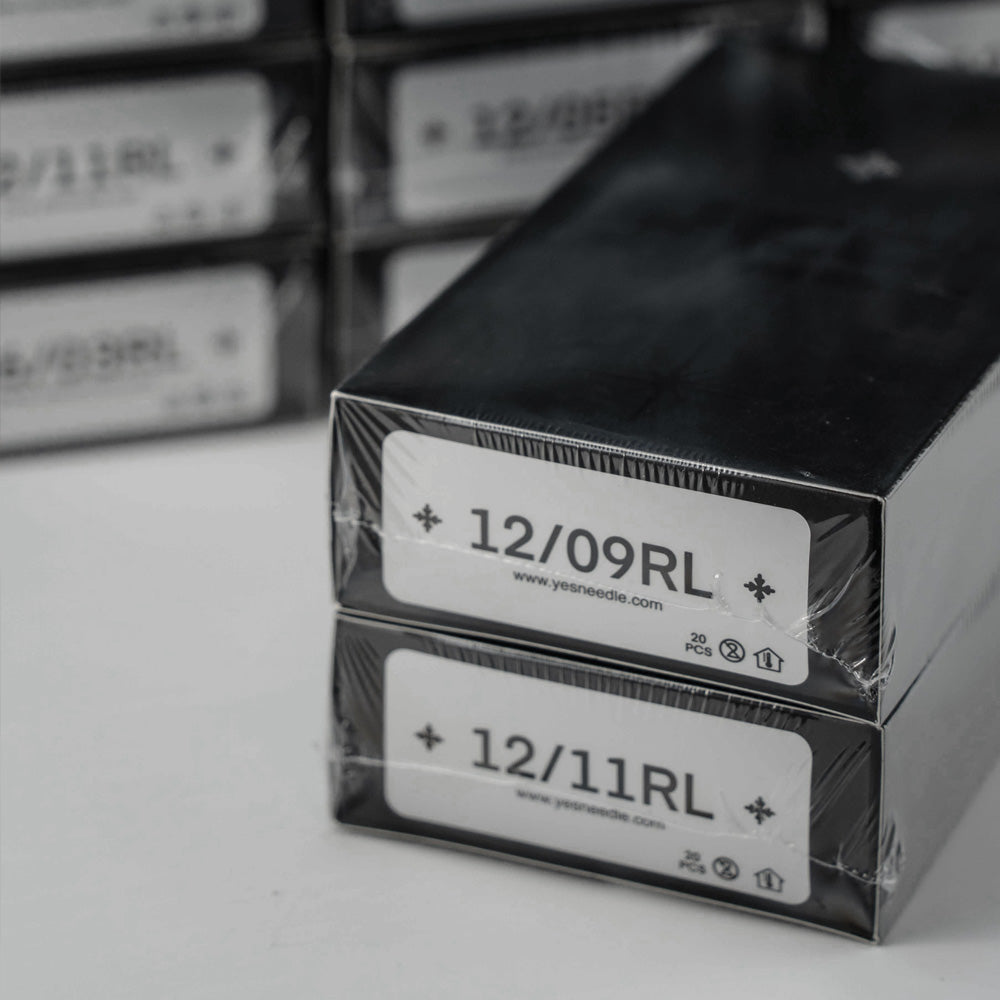
Tattoo Needles for Thick Lines
Creating bold, crisp lines is one of the hardest yet most rewarding skills in tattooing. This guide breaks down everything you need to know—from needle selection and machine setup to proper technique and common mistakes. Whether you're learning thick line work for traditional, neo-traditional, or tribal styles, you'll understand how professional needle quality directly impacts results.
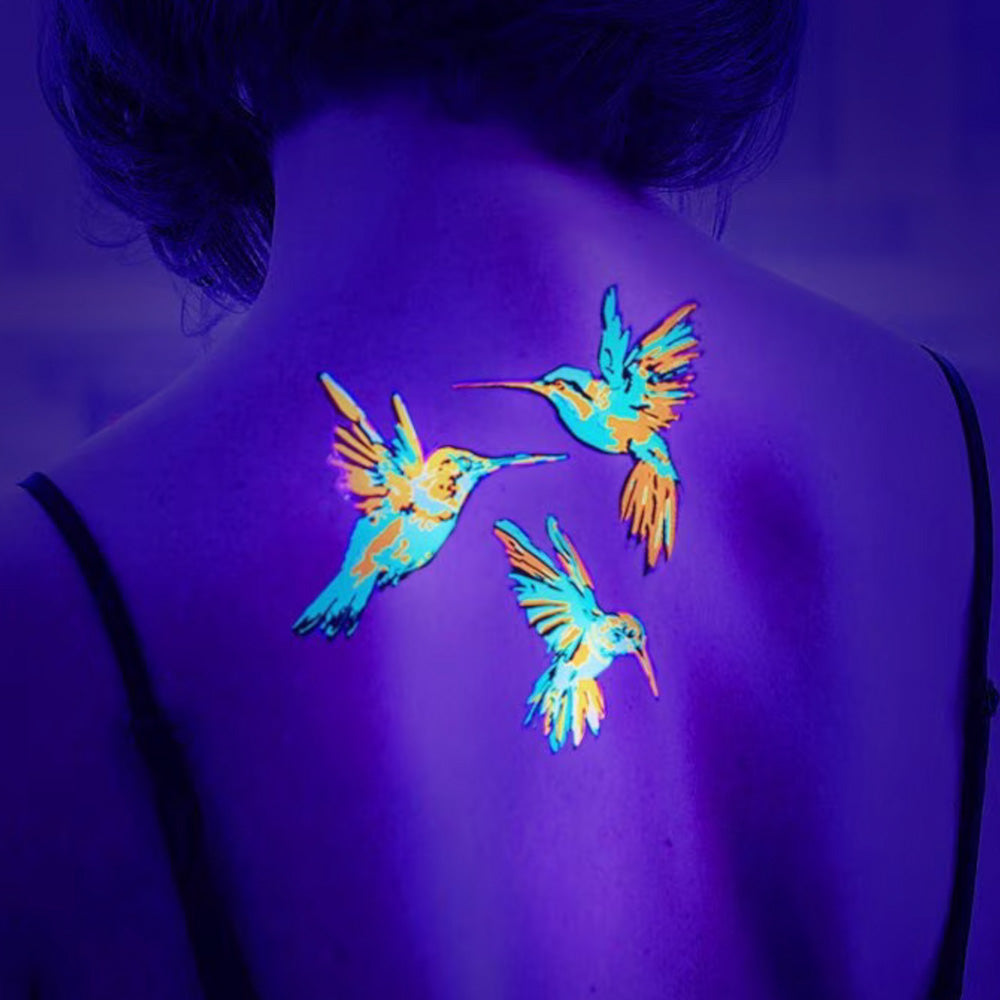
How Long Does UV Tattoo Ink Last? The Truth Every Artist Needs to Know
UV tattoos may look stunning under blacklight—but their lifespan is far shorter than most clients expect. This guide explains the real durability of UV tattoo ink, why it fades so quickly, and how professional artists can maximize longevity through correct equipment, technique, and aftercare. If you’re considering offering blacklight tattoos, read this first.
How to Become a Tattoo Artist
Becoming a tattoo artist takes more than talent — it takes years of discipline, mentorship, and the right tools. This complete guide breaks down the real path to a professional tattoo career: from portfolio building and apprenticeships to mastering equipment and earning your license.
What Tattoo Needles Are Best for Beginners? Your Complete Guide to Getting Started Right
Choosing the right tattoo needles can make or break your learning curve. This complete beginner’s guide explains everything you need to know — from understanding needle codes and tapers to picking your first set of round liners, shaders, and magnums. Discover why cartridge needles are the best choice for beginners and how to avoid common mistakes like overworking skin or using dull tools. Featuring real-world advice and professional insight, this guide shows how Yesneedle’s precision cartridges help new artists build confidence, consistency, and safety from day one.