
Tattoo Needles for Shading: How to Choose for Your Design
Choose shading needles around the space you need to work in and the transition you want. For soft gradients, start by comparing curved magnums. For areas that combine shading with solid fills, include straight magnums in your shortlist. Then check the actual diameter, needle count and taper. There isn’t one shading size that fits every design.
Start with the shadow, not the box label
Before choosing a cartridge, look at the design at its intended size. Separate the broad shadows from the small tonal areas, and mark any highlights or narrow gaps you want to keep open. These areas may need different configurations within the same piece.
A useful shortlist starts with three notes:
- Area: Is this a broad background or a small section between details?
- Transition: Does the tone fade gradually, or meet a defined shape?
- Space to preserve: Which highlights and gaps limit the working area?
This gives you something more specific to compare than “a needle for realism” or “a shading needle.”

Compare CM for gradients and M1 for mixed shading and fills
YESNeedle Curved Magnum cartridges are listed for shading and soft gradients. Put them on your shortlist when gradual tonal transitions are central to the design.
YESNeedle Magnum M1 cartridges are listed for packing and shading. Include them when your design combines shaded areas with solid sections.
These uses overlap. A CM isn’t limited to light shading, and the M1 label doesn’t make a cartridge the best choice for every dark area. The configuration still needs to suit the space and the task. For the difference in their working-edge profiles, read our curved versus straight magnum comparison.
Choose the count after you’ve checked the available space
Both YESNeedle ranges list 5-, 7-, 9- and 11-needle configurations. Treat those as options to compare, rather than a fixed chart assigning each count to a tattoo style.
For a small tonal area, check the grouping’s actual width and the room around the detail. For a broad shadow, compare the larger available groupings as well. If a product page doesn’t give the width you need, ask for it instead of calculating it from needle count.
Keep diameter separate too: seven individual needles don’t tell you their thickness. Our tattoo needle size guide explains how to read those fields.

Make your next comparison easier
Record the area you’re choosing for, then the brand, series, diameter, count, grouping and confirmed taper. If you’re comparing two practice configurations, note every specification that changes. A different count, diameter and taper together won’t tell you which change contributed to the result.
When ordering, use the CM or M1 product page to compare the listed configurations. If the taper, grouping width or equipment fit is unclear, confirm that detail before choosing a box. The goal is a cartridge that suits your design—not simply the smallest or largest number available.
People Also Read
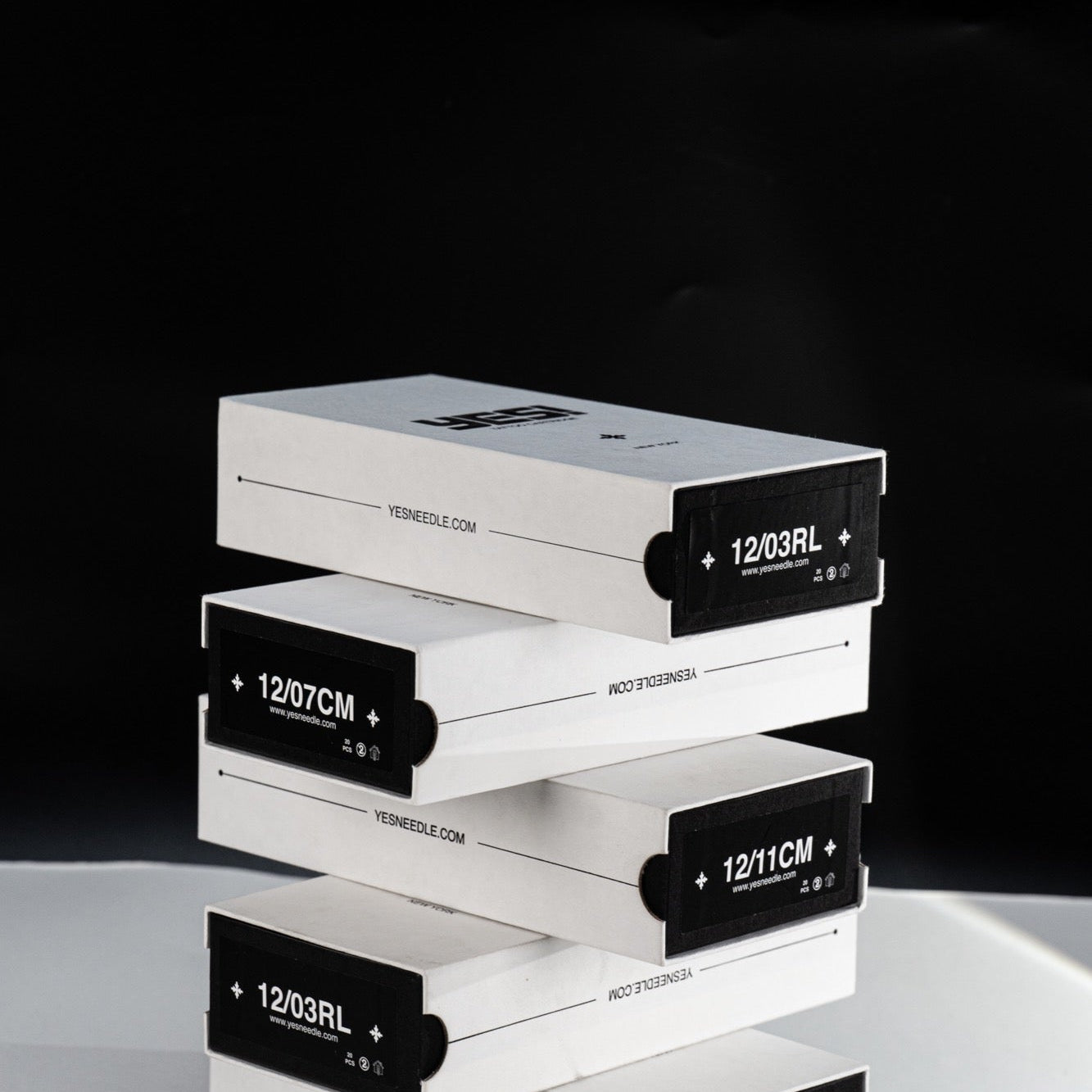
How Many Tattoo Cartridges Should You Stock? A Studio Reorder Worksheet
Work out what to reorder from your actual cartridge usage, usable stock and delivery window. Includes a simple worksheet for working studios.
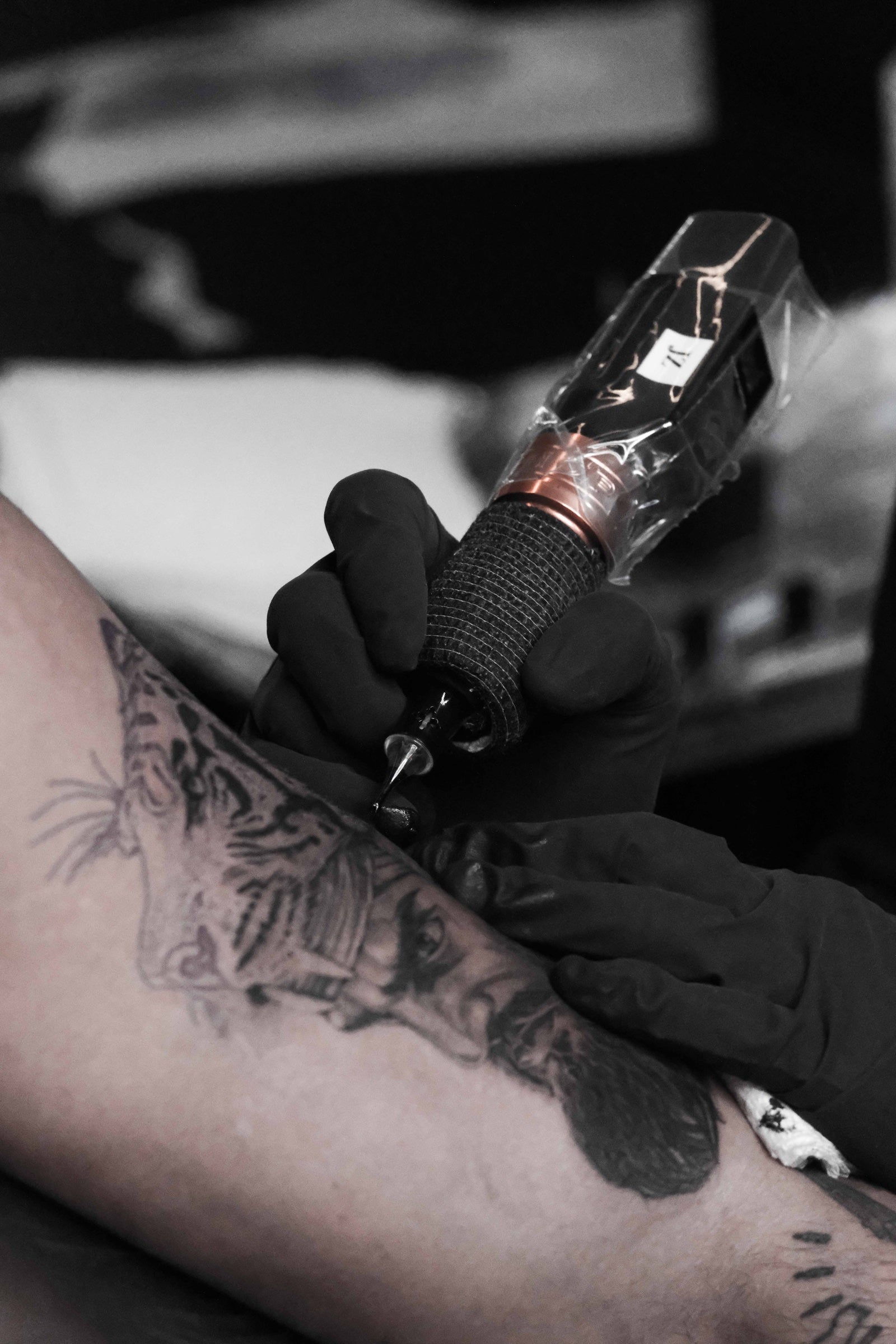
Tattoo Needles for Color Packing: Choosing for the Space You Need to Fill
Choose color-packing cartridges around open fills, narrow corners and gradients. Compare YESNeedle M1 and CM options before ordering.
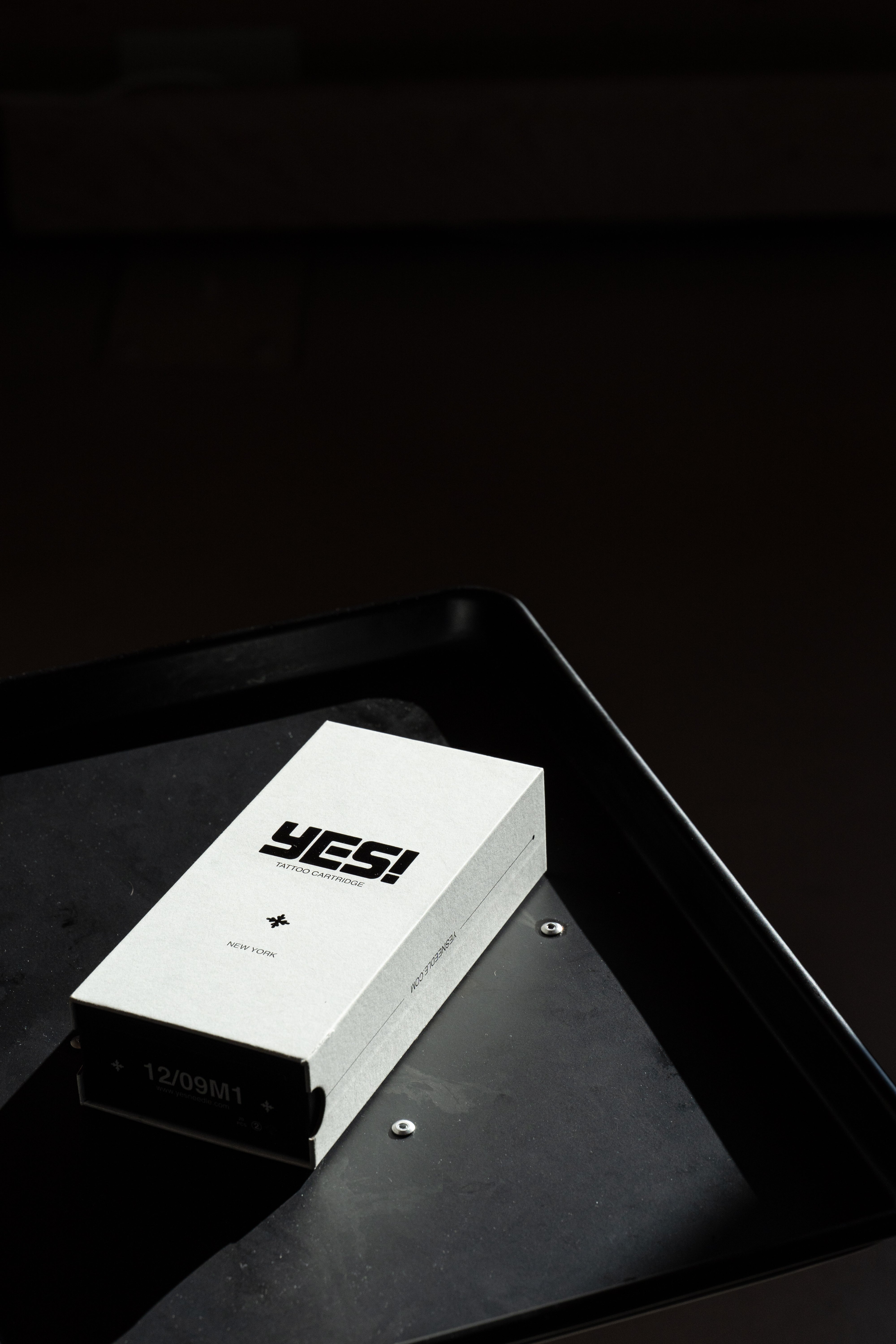
Long Taper vs. Short Taper Tattoo Needles: What Changes?
Taper describes the narrowing section of a needle. Here’s what changes—and what to check before choosing your next cartridge.
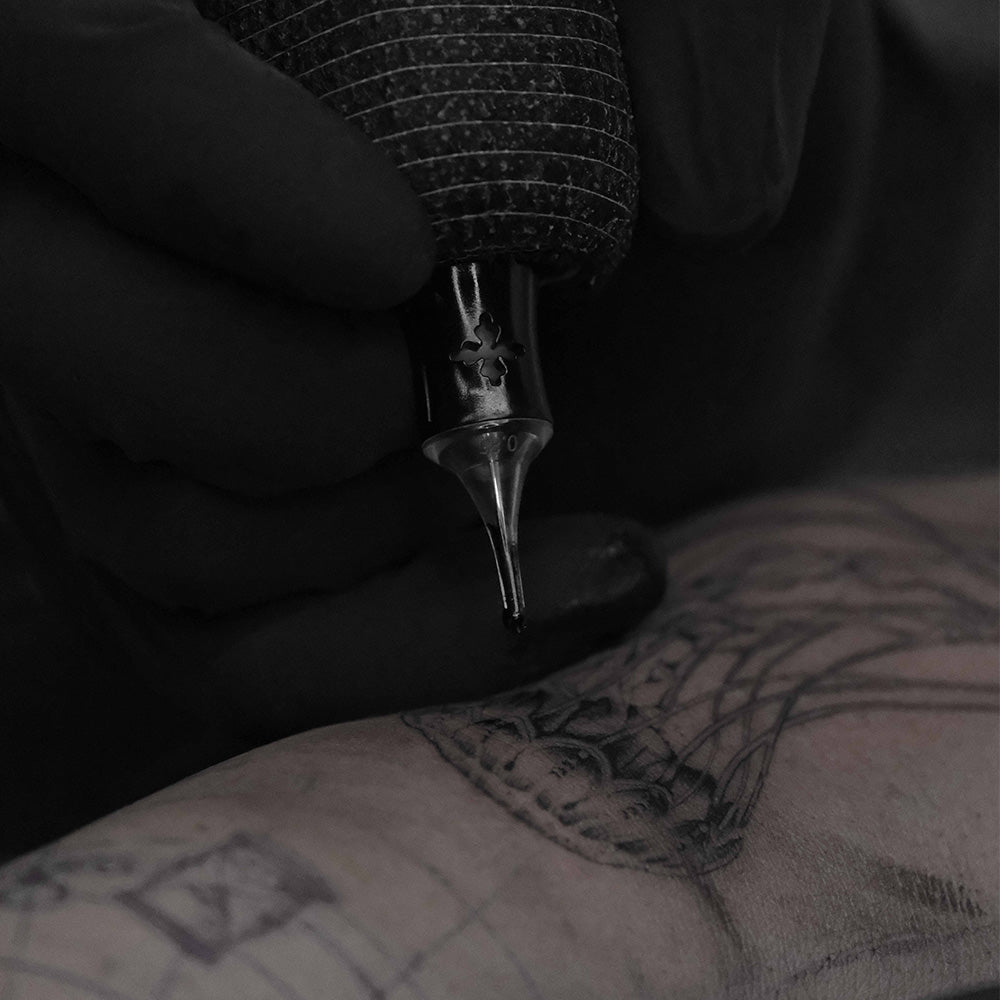
Curved Magnum vs. Straight Magnum: Which Should You Choose?
Choosing between CM and M1? Compare the tip profile, the area you’re working on and matching needle counts before adding another box to your kit.